


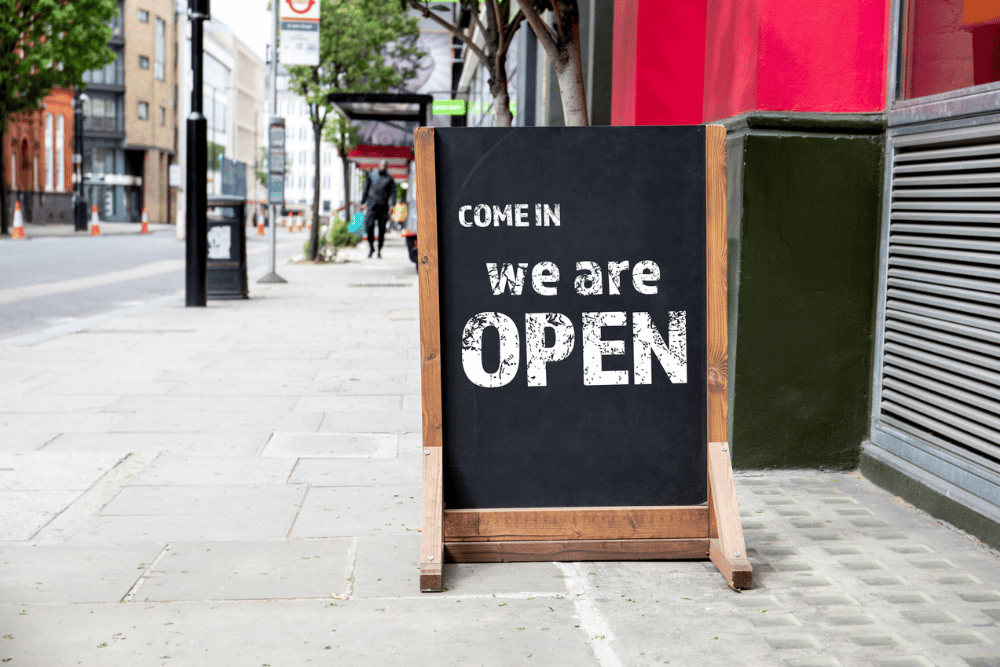
Managing a physical presence across multiple locations creates immediate logistical challenges for procurement teams. Local sites frequently start purchasing their own products from different retail suppliers, causing variable product quality, inconsistent colours and entirely missed campaign deadlines. Establishing control requires a coordinated strategy that prioritises supply reliability over complicated local purchasing chains.
Signwaves is a UK signage manufacturer with over 30 years of experience producing commercial display solutions. We support trade partners with reliable end-to-end service, combining in-house manufacturing and logistics to deliver accurate signage products at true volume. Implementing a trusted, predefined system is the only practical method for taking control of your physical marketing assets.
What are the real problems with site-by-site purchasing?
Site-by-site purchasing significantly increases overhead costs while eroding visual standards. When individual franchised locations source their own outdoor signage boards, visual consistency drops drastically. This fragmented approach guarantees inconsistent materials, variable finishes, and fundamentally compromises central oversight regarding structural durability and ongoing operational replacement schedules.
The visual impact of this fragmentation is obvious to consumers. A customer visiting a coffee shop in London expects the exact same brand experience when they visit a franchised location in Manchester. When visual merchandising materials look completely different between sites, customer familiarity weakens heavily. Individual purchasing also forces design teams into a continuous loop of repeated artwork approvals for multiple local printers.
We want to dispel the assumption that standardising physical assets locks every location into an identically rigid format. Standardisation simply means establishing an intelligently approved system of predefined visual elements. An effective core framework provides basic structural reliability alongside the actual built-in flexibility your locations need for basic local compliance.
A thoroughly approved system standardises defined board models alongside exact brand-colour specifications. It also dictates agreed manufacturing materials, required quality-control measures, and clear internal replenishment procedures.
How can brands achieve a custom look without bespoke costs?
Multi-site brands achieve a customised aesthetic without bespoke fabrication costs by heavily modifying established commercial product models. Ordering proven standard formats allows you to apply unique branding finishes rapidly. This secures distinct visual identity, retains basic structural reliability, reduces prototyping risks, and strictly controls your final production expenditure.
Many operations managers assume they need a completely new structural invention to stand out on the high street. Most retail brands find success by applying tailored modifications to our established product range. We can customise an established signage product to carry distinct visual weight without the lengthy prototyping delays of a ground-up build. This practical method provides highly customised outdoor signage boards that withstand British weather while communicating your identity clearly.
You can modify a proven platform through several straightforward structural adaptations. Standard framework modifications often include exact brand colours or specific RAL finishes that tie directly into local architectural guidelines. We regularly apply printed logos and vibrant campaign graphics directly to shaped profiles. Adding specialised structural accessories allows us to deliver brand-specific signage without bespoke development while handling complex site-specific artwork versions seamlessly.
A perfect example involves the Costa-inspired A-board designs that dominate local pavements. We take tested structural engineering and apply unique branding finishes to create a highly distinctive asset. This approach secures the visual distinctiveness of bespoke designs alongside the trusted outdoor performance of a familiar manufacturing format.
Why is print consistency so important for national rollouts?
Print consistency guarantees your visual identity remains identical across entirely different production batches, replacement orders and varying graphic dimensions. Failing to control exact colour reproduction damages brand familiarity when deploying hardware across hundreds of locations. Standardised printing ensures a totally uniform professional presentation across your entire retail network.
Colour variation creates heavy tangible risks during a multi-site rollout programme. Supplying the same physical board model to every retail store only solves half the problem. Your procurement team must feel totally confident that graphics will reproduce approved brand hues perfectly, regardless of location or varying weather conditions. You need consistent brand-colour reproduction that looks identical on a forecourt in summer and outside a leisure attraction in winter.
When we deliver colour-managed signage printing for leading brands, we focus heavily on the underlying technology that guarantees perfect repeatability. Our ISO-aligned colour-management processes allow us to standardise delicate printer profiles effectively. This disciplined methodology helps us produce matching shades accurately across different media substrates and varying print methods. You retain total print consistency across rollout batches whether we use modern digital machinery or traditional screen-print processes.
What makes an outdoor signage rollout successful?
A successful outdoor signage rollout relies on robust project management that accurately coordinates scheduled site distributions and phased manufacturing. Selecting the structural hardware simply marks the first step. You must actively manage multiple distinct artwork versions to meet tight franchise campaign deadlines consistently and reliably without operational bottlenecks.
Procurement teams require far more than just a competent manufacturing vendor. They need an operationally sound rollout partner to handle immediate scheduling complexity. Our project team routinely provides complete nationwide signage rollout support for major commercial networks. We comfortably navigate the detailed background coordination required to align varied artwork versions directly with specific store opening dates.
The ability to manage a phased outdoor signage rollout relies heavily on internal communication and strict quality checks. We integrate prototyping and approval stages smoothly before moving into carefully phased manufacturing blocks. This structured approach allows us to execute precise multi-site signage project management that meets tight campaign deadlines while supporting ongoing replenishment operations for busy brand directors.
We process heavy-volume national work for highly respected brands including Calor, The National Lottery and Unilever. Our project portfolio proudly features more than 50,000 branded pavement signs manufactured and supplied following the massive National Lottery rebrand. Processing that level of volume requires total operational stability that regional suppliers simply cannot safely replicate.
How do you coordinate delivery across hundreds of UK sites?
You coordinate distribution effectively by utilising centralised warehousing that supports combined bulk stockholding alongside targeted pick-and-pack operations. Consolidating your outdoor signage boards within one reliable logistics system enables you to release replacement stock in heavily managed phases. This straightforward approach allows you to execute precise site-by-site deliveries efficiently across the UK.
Manufacturing standardisation loses its value if you lack a practical method to release items to the appropriate store at the correct moment. Centralised stockholding solves the persistent problem of storing bulky rollout stock in crowded retail back rooms. We deliver extensive multi-site signage fulfilment by holding heavy product numbers securely before moving them rapidly through our dedicated distribution channels.
Our logistics setup is built deliberately to accommodate massive stockholding and phased distribution for heavily active commercial networks. The facility features 67,000 square feet of dedicated floor space with secure capacity for approximately 5,000 pallets. We support complex collation needs and handle the exact signage delivery to individual locations that modern franchise groups require to operate efficiently. Sending around 5,000 outbound shipments every month gives us the direct experience necessary to orchestrate pressing time-critical campaign drops.
What are the practical takeaways for procurement teams?
Procurement teams must view standardisation as a comprehensive system spanning both product specification and logistical delivery. The definitive priority is selecting repeatable standard items over disorganised local purchases. This operational shift provides structural design flexibility alongside reliable domestic manufacturing capabilities and fully integrated end-to-end fulfilment operations.
Auditing your current expenditure across fragmented regional suppliers usually reveals significant hidden financial inefficiencies. Establishing a primary system of approved outdoor signage boards returns control firmly to head office while driving down the unit price of regular hardware replacements. Moving from variable local purchases to a structured rollout model ensures your visual presentation remains striking and your central budget remains exceptionally transparent.
Frequently asked questions about standardising outdoor signage boards
Procuring commercial hardware prompts common questions about logistics, customisation limits, and franchise compliance. Standardising your core visual assets directly answers these structural challenges. Review the operational answers below to understand exactly how centralising your heavy production and outbound distribution ultimately resolves the costly problem of fragmented purchasing.
How long does a phased rollout usually take?
A phased rollout timeline varies based on your total order volume and specific customisation requirements. Centralising your production heavily accelerates this timeline. Coordinated project management ensures that initial prototyping, manufacturing runs and regular site distributions align completely with your scheduled promotional calendar without extensive delays.
Can individual franchises order their own replacement parts?
Individual locations can draw from centrally approved stock securely when a standardised procurement portal is clearly established. Using an automated replenishment programme guarantees absolute supply consistency. This targeted approach removes the exact risk of local sites purchasing incorrect outdoor signage boards while still allowing franchise managers to replace damaged equipment quickly.
What happens if we need to update our campaign graphics?
Updating campaign graphics remains highly straightforward when you strategically select standardised models. We heavily recommend specifying structural hardware designs with replaceable poster panels or interchangeable fabric sleeves. You simply order new printed inserts through your established central fulfilment system rather than constantly replacing the fundamental hardware at every individual site.
Fragmented purchasing drains budgets and wrecks brand familiarity. Stop letting individual locations dictate your visual standards by switching to a reliable singular supply route. Contact our project team today to start centralising your physical marketing hardware.


