


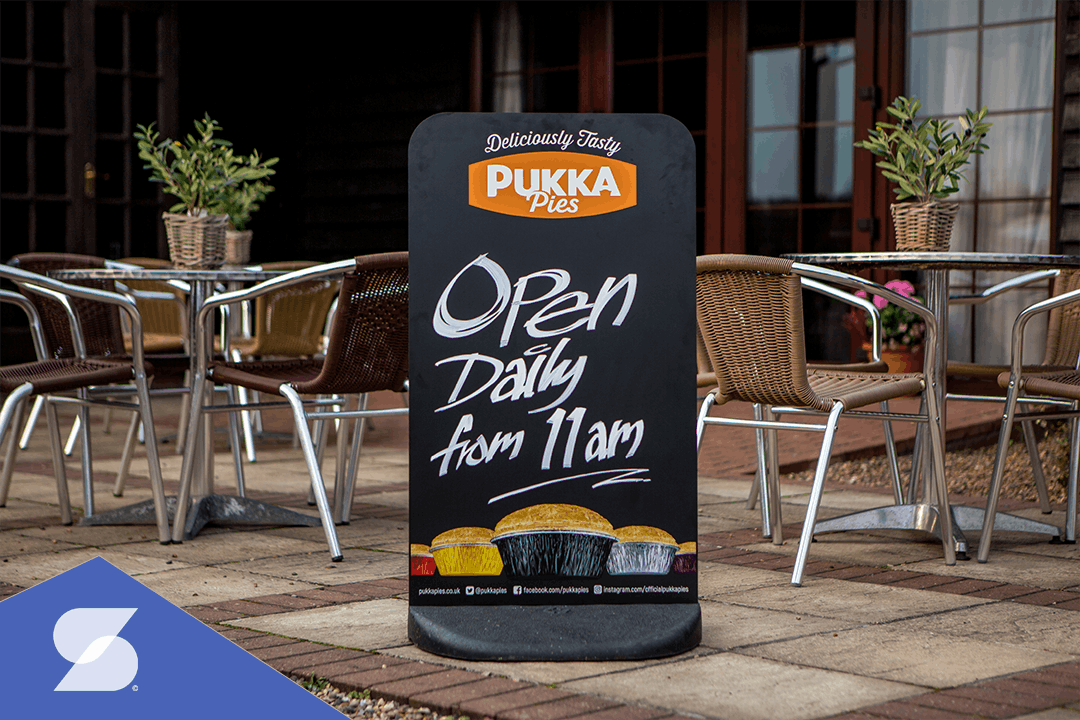
signOutdoor signage works hard for retail and hospitality brands, along with other service businesses. Panels on shopfronts and fences have to keep doing their job through changing weather and busy trading days. A smart choice of material helps graphics stay readable for longer and cuts the number of replacements needed over a campaign.
How Outdoor Signs Cope With Changing Weather
Rain can seep into edges and frost can stress joints. Summer light can also fade colour if the material is not suited to the job. Occasional knocks from trolleys or bags add extra strain. Therefore, the hardware also has to stand up to repeated cleaning and passing traffic.
Good planning starts with the site. A unit fixed high on a wall under a canopy lives a very different life to a panel at waist height near a busy path. Exposure, shade and local pollution all play a part. Once that picture is clear, it becomes easier to match panel types and finishes to each position.
Which PVC Panels Suit Shopfronts?
Foamed PVC is a popular base for many small and medium panels. Sheets can be cut to size and shaped, then drilled for fixings without adding much weight to the structure. Printers can lay colour direct to the panel or mount printed vinyl on top to suit the artwork and run length.
Used in the right way, this kind of panel can form the panel of a weatherproof outdoor sign on small fascias and fence lines. It works best where walls give some shelter and pedestrians pass close by. Careful fixing and edge sealing help panels stay flatter over time and reduce moisture creeping into exposed edges.
How Does Aluminium Help?
Some locations call for a stiffer base. An aluminium composite sheet, often with a polyethylene core and metal skins, offers a rigid surface with good dimensional stability. They stay flat across wider sections and can be folded to create tray signs with returns that hide fixings.
A weatherproof outdoor sign built on this kind of panel suits petrol forecourts, drive-through lanes and exposed corners where wind and spray are common. Tougher edges also resist knocks from trolleys better than softer boards. When colour is printed onto vinyl before mounting to the panel, graphics can be replaced later without discarding the whole sign.
Does Aluminium Offer Better Value Over Time?
Some projects justify metal from the outset. Large entrance signs and totem panels in exposed car parks place more stress on panel edges and fixings. Aluminium composite holds shape across these widths and fixes securely to posts and frames with mechanical fasteners.
In these settings, a weatherproof outdoor sign built on aluminium saves repeat visits to refit sagging boards or warped panels. The sheet can take more load from wind and movement around the site. When messages change, teams can often re-use the frame and swap only the panels, reducing disruption on site.
How Can Laminates Protect Printed Graphics?
Print that stays outdoors has to cope with sunlight, rain and air pollution. A clear laminate over the face of the panel gives an extra skin that wears first. Gloss films can make colours look richer under certain lights, while matt films tame the glare from low sun or bright fittings.
Laminates also help a weatherproof outdoor sign cope with cleaning. Staff can wipe down panels more often without rubbing away the colour layer beneath. Specialist films can resist graffiti inks or marker pens better than bare print, which matters in exposed public spots such as transport hubs or busy walkways.
Where Does PVC Make More Sense Than Metal?
Not every position needs metal. Smaller retail fascias, point-of-sale panels inside covered arcades and wall graphics under canopies often favour foamed PVC. These panels stay light enough for quick installation and can be swapped without heavy lifting equipment. For landlord approvals, PVC panels can fit inside existing frames without altering the structure.
A weatherproof outdoor sign based on PVC works well where people stand close and traffic speeds are low. Colour can be matched across batches to keep chain stores looking consistent, and panels can be recycled when they reach the end of their service life.
How do Fixings Influence the Material You Choose?
Fixings like wall plugs and post rails share the load and affect how moisture drains away. Thicker composite sheets give more bite for screws and rivets, while lighter PVC boards may need more fix points to stay flat.
Boards that flex too much can fret around fixings and let water in at those points. A quick check helps teams choose the material that suits the way the sign is held up.
Which Checks Help You Compare Weatherproof Options?
Comparisons work best when they follow the same questions each time. Buyers can ask how each panel type copes with UV exposure and how often cleaning is expected. They can also check what kind of frame is needed.
Internal briefs keep everyone focused on the same outcome. That reminder encourages teams to look past headline price and think about service life, access costs for future changes and the way each location really behaves across a year.
How Should You Use Different Panel Types?
Aluminium composite might front important entrances, while foamed PVC covers smaller panels at eye level. Totems and car park markers may take one material, with directional signs using another and menu boards or wall frames taking a lighter option.
Core formats can be standardised so artwork templates and fixing details share the same dimensions, with spares ordered to match. Those standards make it easier to brief new projects and onboard new sites without returning to the drawing board every time.
What Helps Panels Last Longer?
Even the best materials need basic care. Mild detergent with soft cloths removes dirt without scratching surfaces. Regular checks for loose fixings, damage at corners or stickers placed over graphics help teams catch small problems before they grow. Scheduled inspections after storms or busy trading peaks keep panels safe and presentable.
Care notes supplied with each weatherproof outdoor sign help teams follow the same steps.
How Signwaves Support Weatherproof Projects
We have designed and made signage in the UK since 1989. Our range includes pavement units and forecourt signs, as well as poster frames and custom panels for branded networks.
Planning a new weatherproof outdoor sign project? Contact us to discuss your plans and we can help move it forward.


